
2026-10-17 ·
Metal Roofing and Other Durable Options for Homes in Casper, WY
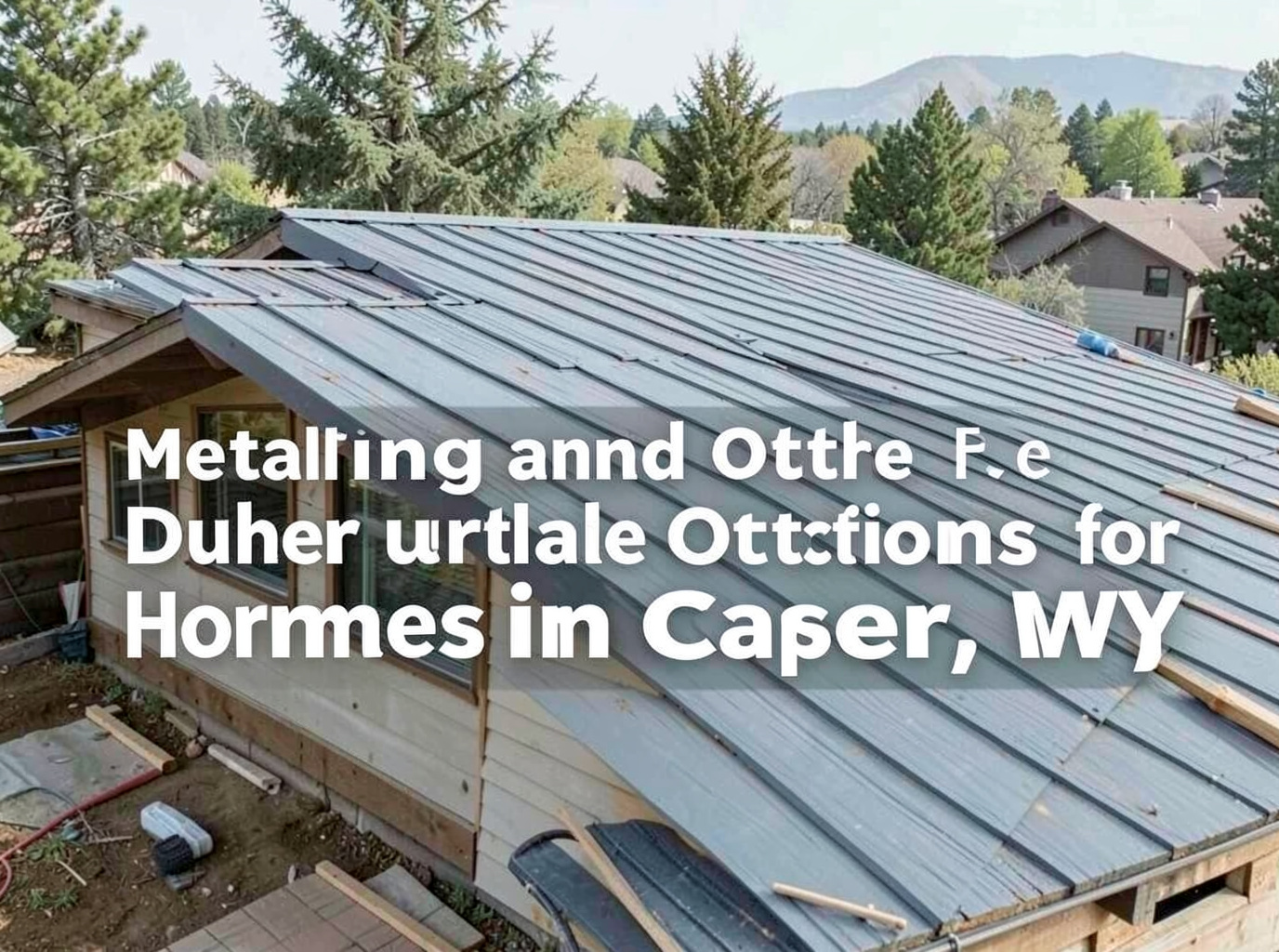
Metal roofing typically lasts 40-70 years on homes in Casper when installed over proper underlayment in the high plains climate. Cold snowy winters bring ice dams and wind-driven snow while warm dry summers increase UV exposure, so material choice directly affects how often roofs need attention in Natrona County neighborhoods such as Downtown Casper, West Casper, and Evansville.
Metal Roofing Performance in Casper's Climate
Standing-seam metal panels handle the temperature swings common between Casper Mountain and the valley floor without cracking like some asphalt products. In East Casper homes built in the 1970s and 1980s, metal roofs have shown fewer leaks during spring melt compared with older three-tab shingles. The reflective surface also reduces heat gain during July and August when daytime highs often exceed 85 degrees. Property owners in Mills and Evansville report lower attic temperatures after switching, which helps with energy use in the dry summer months. Wind gusts that reach 50 mph across the open plains test seam integrity, making hidden fastener systems preferable for new construction and replacements in North Casper.
Other Durable Roofing Materials for Local Homes
Architectural shingles rated for high wind provide a lower-cost alternative that still performs for 25-35 years in Natrona County. These thicker shingles resist granule loss better during hail events that occasionally move through from Douglas or Riverton. Synthetic slate offers a 40-year lifespan with less weight than real stone, suiting older homes in Downtown Casper where structural load matters. Clay or concrete tiles work on homes with steeper pitches but require extra underlayment to manage snow load. Each option needs matching flashing details around chimneys and valleys to prevent water intrusion during rapid spring thaws.
Installation Factors Specific to Casper Homes
Roof pitch, existing deck condition, and ventilation all change the job on the ground in West Casper and Paradise Valley. Many single-story ranch homes from the 1960s have 4:12 pitches that suit metal panels but need ridge vents added to prevent moisture buildup under the new surface. Crews often replace plywood sheathing on homes near Casper Mountain where previous leaks have caused rot. Proper ice-and-water shield placement along eaves extends at least 6 feet up the roof plane to address ice dam risks that form when attic heat melts snow. Homeowners can review the full process on the Metal Roofing Installation page before scheduling.
Maintenance Realities After Winter Storms
Annual inspections after heavy snow help catch seam issues before leaks reach living spaces in East Casper. Removing snow from valleys with a roof rake reduces ice dam formation that leads to interior damage. Metal roofs rarely need coating reapplication, yet checking fastener torque every five years prevents panel movement during high-wind events. Homeowners in Mills often combine this with gutter cleaning to keep water moving away from foundations during summer thunderstorms. For guidance on storm impacts, see the article How Wind, Hail, and Snow Can Affect Roofs in Casper, WY.
When to Consider Full Replacement
Visible rust along seams, widespread granule loss on shingles, or multiple layers already present signal the need for replacement rather than repair on homes in South Casper. Replacing during shoulder seasons avoids the worst winter weather and summer heat that can affect material handling. Matching the new roof to existing ventilation and insulation upgrades improves performance across the temperature extremes of the high plains. Local crews familiar with Natrona County wind patterns can advise on underlayment choices that add decades to service life.